
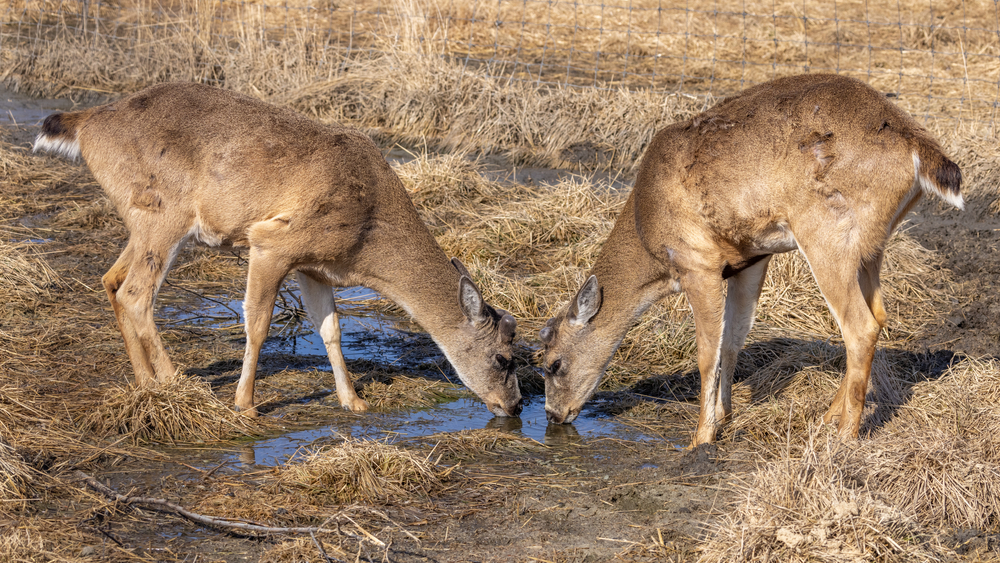
Sitka blacktail deer are unique among Alaska big game because they are smaller than other black-tailed deer, they live on Kodiak Island only because people released them there, and they’re specially susceptible to winter. According to the Alaska Department of Fish and Game (ADF&G), Sitka blacktail bucks average about 120 pounds in October, and Kodiak’s herd grew from just 25 deer released between 1924 and 1934. ADF&G’s 2026 Unit 8 report names winter severity as the main driver of the herd’s size.
If you plan to hunt here, the Sitka Blacktail Deer is a unique kind of game. It is a small deer from the coastal rainforest that now lives on an island with long, hard winters, which sets it apart from the larger mule deer many hunters know. Its numbers change from year to year with the weather, and most hunters take their deer in November, when the rut and the first snow arrive together.
This guide explains how these deer differ from others, how they got to Kodiak, and what that means for a November hunt out of Old Harbor.
What Makes a Sitka Blacktail Different From Other Deer?
The biggest difference is size. ADF&G describes the Sitka blacktail as smaller and stockier than other black-tailed deer. Bucks average about 120 pounds in October. A mule deer buck, by comparison, weighs 150 to 250 pounds, according to the National Park Service.
| Trait | Sitka blacktail | Mule deer |
|---|---|---|
| Average buck weight | About 120 lb (October live weight) | 150 to 250 lb |
| Average doe weight | About 80 lb | 100 to 175 lb |
| Native habitat | Coastal rainforest of Southeast Alaska and northern British Columbia | Open-brush country of the western states |
A Sitka blacktail buck averages about 120 pounds. A mule deer buck weighs 150 to 250, so size alone sets the two apart.
Their antlers are small, too. Adult bucks usually grow three points on each side, and ADF&G says very few are large by record-book standards. A buck weighing over 200 pounds after field dressing has been reported, but that is far above average.
The coat changes with the seasons, from reddish-brown in summer to dark brownish gray in winter. These deer come from wet coastal rainforest, which is very different from the open country where mule deer live. If you expect a mule deer, you will misjudge this animal. The appeal here is the country and the work of finding deer in it.
Where Did Kodiak’s Sitka Blacktails Come From?
People brought them here. ADF&G’s 2026 deer report says the herd likely started with three releases between 1924 and 1934, totaling 25 deer. In 1924, 14 deer from near Sitka were set free on Long Island, just east of Kodiak city. Two more came from Prince of Wales Island in 1930.
The first results were small. A 1931 report counted only three does and two bucks on Kodiak Island itself, because the deer had barely left Long Island. In 1934, managers tried again. They released nine deer from near Petersburg straight onto Kodiak.
That second try worked. By 1950, deer were a common sight near Kodiak city, and the first official hunt came in 1953. By the late 1960s, deer had spread across Kodiak and Afognak islands.
The herd peaked in the mid-1980s at more than 100,000 deer. ADF&G files also hint at an earlier release around 1900 that ash from the 1912 Katmai eruption badly hurt. The department has found no more details.
To see what this means for hunters today, read our earlier guide to Sitka blacktail hunting on Kodiak Island in November.
What Does a Sitka Blacktail’s Year Look Like?
Blacktail’s years are dictated by food and the snow. In spring and summer, deer spread out and eat plants and leafy shrubs to build fat. In fall they move to lower ground, breed in late November, and then live off stored fat and whatever food they can reach.
Fawns are born in early June, and prime-age does usually have two a year, according to ADF&G’s species profile. Spring is the hardest season. If deep snow lasts into spring, many deer starve before new plants grow.
Kodiak deer have a few ways to cope. ADF&G’s earlier report cites a 1990s study showing that deer in brush and leafy forest on Kodiak use much larger summer ranges than deer in the thick forests of Southeast Alaska. That may help them build more fat before winter. When snow pushes them to the beaches, they eat shrubs such as elderberry, highbush cranberry, blueberry, and willow.
Why Do Kodiak’s Deer Numbers Swing So Much?
Kodiak’s deer numbers depend heavily on how hard the winter is. ADF&G biologists Nathan Svoboda and William Dunker write in the 2026 report that Kodiak’s deer populations are “driven primarily by winter severity.” They also say hunting seems to have little effect on how many deer survive.
The record shows big swings. Hard winters hit the herd in the late 1960s, from 1987 to 1992, and again in 1998-99. In 2011-12, record snow killed an estimated 40% of the deer. More hard winters followed in 2015-16 and 2019.
Kodiak’s deer live on an island, and winter weather, more than hunters or predators, decides how many there are in any year.
Kodiak is harder on deer than the forests where the species began. In Southeast Alaska, old trees hold back the snow and keep food within reach. ADF&G’s earlier report says much of the Kodiak island chain lacks that thick forest, so snow and cold push deer down to the beaches. The 2026 report adds that ice on the ground can lock up food, and that coastal deer may eat kelp instead, though no one has studied that yet.
Brown bears take some deer, mostly in late winter and early spring, but ADF&G does not see them as a big limit on the herd. The herd also bounces back fast when the weather helps. After the 2011-12 die-off, three mild winters let it rebuild.
How Many Deer Live on Kodiak, and How Many Do Hunters Take?
No one knows the exact number. ADF&G says in its 2026 report that it has no reliable way to count Kodiak’s deer.
Kodiak has no official deer census. ADF&G tracks the herd through harvest reports, winter surveys, and field notes from hunters, guides, and transporters.
Hunter harvest shows how much the herd moves. In 2016, hunters took 8,138 deer. The next year, after a hard winter, they took 4,200.
About 7 in 10 hunters took a deer between 2016 and 2020, ADF&G reports. Keep in mind that this is an average for the whole island chain, which changes with winter and weather, and it is not a promise for any one trip.
For season dates and bag limits, see our post on where and when you can hunt on Kodiak Island.
Why Is November the Peak Month for Blacktail Hunting?
The rut and the first real snow arrive at the same time. ADF&G’s species profile says the breeding season, called the rut, peaks in late November, and that bucks spend little time eating during it. The 2026 report adds that snow pushes deer to lower ground and that the rut makes males easier for hunters to find.
Harvest records show the effect. Averaging 18 seasons of ADF&G’s monthly numbers shows a clear pattern.
| Month | Share of deer taken |
|---|---|
| October | 24% |
| November | 43% |
| December | 20% |
| All other months | 13% |
Source: our calculation from Table 4 of ADF&G’s 2026 deer report, for 2002 through 2020 (no estimate exists for 2004).
November is the busiest month for deer hunting on Kodiak. It averaged 43% of the yearly total, and it was the top month in all 18 seasons ADF&G reported.
December still brings about a fifth of the deer taken. That is why Kodiak Sportsman’s Lodge runs its deer hunts from November into mid-December. Our guides to when deer season starts in Kodiak and how to prepare for a DIY blacktail hunt cover dates, licenses, and gear.
Thinking about a late-season trip? Contact Kodiak Sportsman’s Lodge to ask about available dates and what a hunt out of Old Harbor includes.
What Is a Late-Season Blacktail Hunt From Old Harbor Like?
It is a self-guided hunt with a lodge to come back to. Kodiak Sportsman’s Lodge is a licensed transporter, not a guide service. That means hunters make their own choices in the field: scanning for deer, planning the stalk, taking the shot, field dressing, and carrying out gear. Each morning the lodge takes hunters to the hunting grounds. Each evening it picks them up and brings them back to Old Harbor for a hot meal, a shower, and a rest.
The terrain the lodge uses is fairly mild by Kodiak standards. Still, expect wet ground, uneven footing, and weather that changes fast in November and December. Snow builds up high in the hills, so deer tend to move to lower ground, where the lodge’s hunting areas are. No one can promise what a given day will bring.
Getting there is part of the plan. You reach Old Harbor by boat or floatplane, and the lodge’s deer package includes round-trip airfare from Anchorage and daily boat rides to the field. Late-season weather can delay flights and boats, so leave extra days in your travel plans. Our guide to preparing for your fall deer hunt covers gear and daily plans.
What Doesn’t This Guide Cover?
This guide covers the deer, their history on Kodiak, and what ADF&G data show about the herd. It does not cover seasons, bag limits, licenses, or fees. Those change, so check ADF&G’s regulations for the Kodiak area. It also leaves out the separate rules near Kodiak city. The numbers describe the whole island chain, not any one lodge or hunt, and nothing here predicts what you will see on a given day.
What Do Hunters Ask Most About Sitka Blacktail Deer?
How Do I Plan a Blacktail Hunt With Kodiak Sportsman’s Lodge?
Pick a November or early December window, check current rules with ADF&G, and leave extra days for weather at both ends of the trip. The lodge covers lodging, meals, and daily rides to the field, and the hunt itself is up to you. Most of the planning comes down to timing, licenses, and gear.
Ready to talk through dates? Contact Kodiak Sportsman’s Lodge and we will help you find a window that works for a hunt out of Old Harbor.